

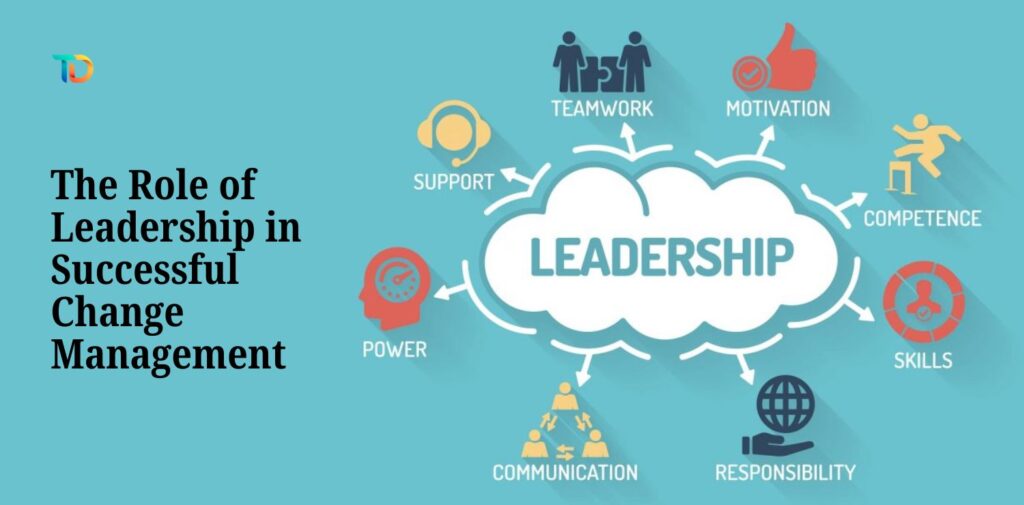
Change is necessary for growth, improvement, and staying competitive in today’s fast-moving world. Whether it’s a new system, a change in process, or a shift in company direction, every organization needs to manage change properly. In Indian companies, where people often look up to their seniors or managers for guidance, leadership plays a very important role in making any change successful.
Good leadership can make the change smooth, while poor leadership can lead to confusion, resistance, and even failure. Let us understand how leaders can guide their teams through change in a simple and effective way.

Creating a Clear Vision for Change
One of the first responsibilities of a leader during change is to create and share a clear vision. Employees need to know what the change is, why it is happening, and what the organization hopes to achieve from it. A leader must explain the bigger picture in a way that makes sense to everyone.
For example, if a company decides to go digital to reduce paperwork, the leader should clearly explain how this will improve speed, save money, and make work easier for everyone. In Indian workplaces, where people often rely on instructions from seniors, having a strong vision builds confidence.
A clear vision also gives direction. It helps people stay focused and not get lost during the change process.
Leading by Example
Leaders must practice what they preach. If they want their employees to accept and follow a change, they must show the same behavior themselves. If a manager is promoting the use of a new software but is still using the old method, employees will also do the same.
In Indian work culture, employees closely observe their seniors and follow their actions. So, it is very important for leaders to lead by example. Whether it is learning a new skill, following a new process, or accepting a new policy, the leader’s behavior sets the tone for the entire team.
When leaders show a positive attitude towards change, employees also feel motivated to accept it.
Supporting and Guiding the Team
Change often brings confusion, fear, and stress. Many employees may not feel confident or may worry about their role in the new system. A good leader understands these concerns and supports their team throughout the change process.
This support can be given in many ways—organizing training sessions, solving problems quickly, being available for discussions, or just encouraging team members during difficult times.
In Indian offices, employees feel more secure when their leader stands by them. A leader who listens, guides, and supports the team builds trust, which is very important during times of change.
Communicating Openly and Regularly
Communication is one of the most powerful tools in change management. A good leader always keeps the team informed about what’s happening, what to expect next, and how things are progressing. They also listen to feedback, answer questions, and clear doubts.
In many Indian companies, employees may hesitate to speak up, especially in front of senior management. So, leaders should create an open and friendly environment where people feel free to share their thoughts.
Regular meetings, updates, and even casual conversations can help a lot in keeping everyone connected and informed during change.

Celebrating Small Wins and Recognizing Efforts
During any change, appreciating small achievements and recognizing the hard work of employees can make a big difference. It boosts morale and gives people the energy to keep going.
A good leader knows how to celebrate progress. Whether it’s a thank-you note, a team lunch, or a simple mention in a meeting, such gestures matter a lot, especially in Indian workplaces where emotional connection is strong.
This not only motivates the team but also creates a positive atmosphere around the change.
Conclusion ; Leadership
The role of leadership in change management is very important and cannot be ignored. A leader is not just someone who gives orders—they are the guide, the support, and the example that others follow.
By creating a clear vision, leading by example, supporting the team, communicating well, and appreciating efforts, leaders can make any change successful. In Indian organizations, where trust, respect, and relationships matter a lot, good leadership can turn even the toughest changes into smooth and successful journeys.
