


In today’s competitive business world, especially in India, understanding market trends and consumer behavior is crucial for success. With rapid changes in technology, consumer preferences, and global dynamics, businesses need tools that can help them stay ahead. By analyzing market trends and consumer behavior, companies can make informed decisions, develop effective marketing strategies, and offer products that meet customer demands. In this article, we’ll discuss some effective tools that businesses can use to analyze market trends and consumer behavior.
Understanding the Importance of Analyzing Market Trends and Consumer Behavior
Market trends refer to the general direction in which a particular market or industry is moving. It could be the rise of a new technology, a change in consumer preferences, or the emergence of new competitors. Consumer behavior, on the other hand, is the study of how consumers make decisions about purchasing products and services. It looks at factors like motivation, preferences, buying patterns, and the influence of cultural, social, and psychological factors.
By using the right tools to analyze these factors, businesses can identify opportunities, avoid risks, and align their strategies with the needs and desires of their target audience. In India, where the market is rapidly evolving, using advanced tools can provide businesses with a competitive edge.
Social Media Analytics Tools
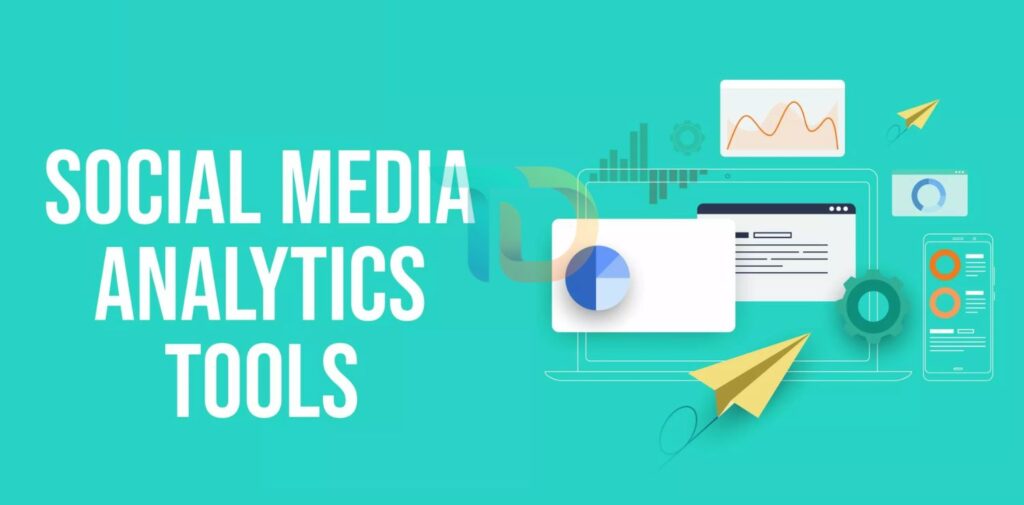
Social media is one of the most effective ways to understand market trends and consumer behavior in real-time. Platforms like Facebook, Instagram, Twitter, and LinkedIn provide valuable insights into what consumers are talking about, what they like, and how they interact with brands. In India, where social media usage is growing rapidly, businesses can leverage social media analytics tools to gather data about consumer sentiment, preferences, and trends.
Tools like Hootsuite, Sprout Social, and BuzzSumo allow businesses to monitor social media conversations and track mentions of their brand or industry. These tools provide real-time data on customer interactions, enabling businesses to respond quickly to consumer needs, address concerns, and refine their marketing strategies. For example, if a company notices that there is growing interest in eco-friendly products on social media, it could consider launching a green product line to meet this demand.
Google Analytics for Consumer Behavior Insights
Google Analytics is one of the most widely used tools for understanding consumer behavior online. It provides in-depth data about website traffic, user engagement, and conversion rates. By analyzing this data, businesses can identify which products or services are most popular among consumers, how visitors are finding their website, and what actions they take on the site.
For instance, if a business in India notices that a significant portion of its visitors come from mobile devices, it might consider optimizing its website for mobile users. Google Analytics also helps businesses track consumer behavior across different marketing channels, allowing them to allocate resources effectively and focus on strategies that yield the best results.
Surveys and Feedback Tools
Surveys and feedback tools are another effective way to understand consumer behavior. By directly asking customers about their preferences, pain points, and experiences, businesses can gain valuable insights that drive product development and marketing decisions. In India, where consumer preferences vary widely across regions, surveys can help businesses tailor their offerings to different market segments.
Tools like SurveyMonkey, Google Forms, and Typeform allow businesses to create customized surveys and collect feedback from customers. For example, a business selling clothing may use surveys to ask customers about their fabric preferences, favorite colors, or sizing issues. This feedback can then be used to design products that better align with consumer expectations.
Customer Relationship Management (CRM) Software
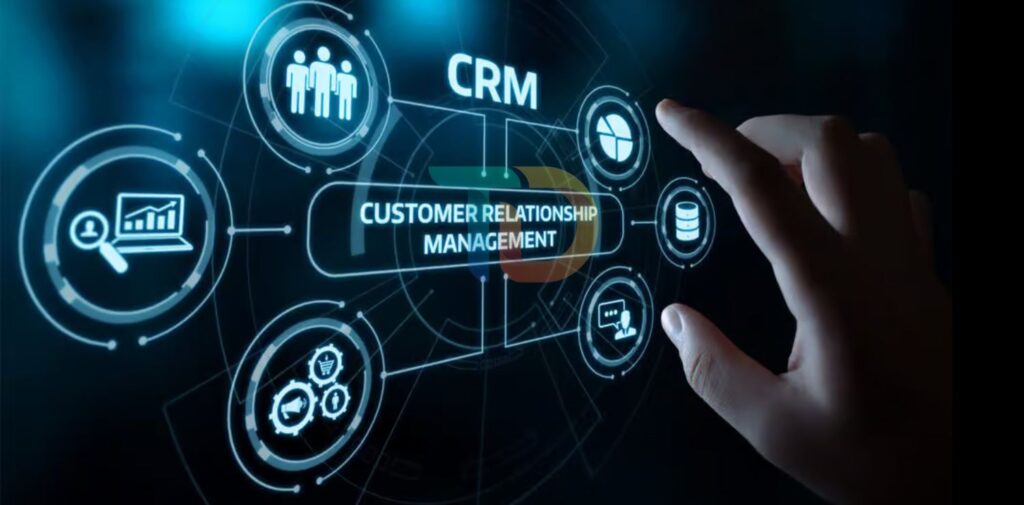
Customer Relationship Management (CRM) software is essential for businesses looking to build long-term relationships with their customers. CRM tools like Salesforce, Zoho CRM, and HubSpot allow businesses to track interactions with customers, understand their needs, and personalize their offerings. By analyzing customer data, businesses can identify patterns in consumer behavior, predict future purchasing habits, and segment customers based on demographics or purchase history.
For example, a business in India could use CRM data to identify loyal customers and offer them exclusive discounts, or target first-time buyers with special promotions. CRM tools also allow businesses to automate marketing efforts, sending personalized emails or offers based on consumer behavior.
Market Research Platforms
For a deeper understanding of market trends and consumer behavior, businesses can use market research platforms that provide comprehensive data and insights. Platforms like Statista, Nielsen, and Kantar offer reports, statistics, and market analysis across various industries, including consumer goods, retail, and technology. These platforms help businesses understand the broader market dynamics, consumer preferences, and competitive landscape.
For example, a business entering the Indian smartphone market can use these platforms to gather data on consumer preferences, such as the demand for 5G technology, camera quality, or battery life. This data can guide product development, marketing strategies, and sales projections.
Predictive Analytics Tools
Predictive analytics tools use data, statistical algorithms, and machine learning to predict future trends and consumer behavior. These tools analyze historical data to identify patterns and make forecasts about future market conditions or consumer actions. In India, where consumer behavior can shift rapidly due to factors like festivals, political changes, or social media trends, predictive analytics can help businesses stay ahead.
Tools like SAS Predictive Analytics, RapidMiner, and IBM SPSS allow businesses to create predictive models that anticipate demand, optimize pricing strategies, or forecast sales. For example, a business selling seasonal products like clothing or electronics in India could use predictive analytics to forecast demand during major shopping festivals like Diwali, ensuring they stock enough inventory.
Conclusion
In conclusion, analyzing market trends and consumer behavior is essential for businesses that want to thrive, especially in a competitive and diverse market like India. By using tools like social media analytics, Google Analytics, surveys, CRM software, market research platforms, and predictive analytics, businesses can gain valuable insights into what consumers want and how the market is evolving. These insights can drive more effective strategies, improve customer satisfaction, and ensure long-term business success. With the right tools, businesses can better understand their target audience, make informed decisions, and stay ahead of the competition.
