


Starting a new business in India is exciting but also full of challenges. One of the biggest challenges startups and entrepreneurs face is managing risks. Risks are uncertainties or problems that can affect your business growth or even cause failure. Knowing how to manage these risks is very important to keep your startup safe and successful. This article will explain simple and useful risk management strategies that Indian startups and entrepreneurs can follow to protect their business.
Understanding Risks in Startups
Before managing risks, it is important to understand what types of risks startups usually face. Some common risks for Indian startups include financial risks like running out of money, market risks such as changing customer preferences, operational risks like supply chain problems, and legal risks related to government rules.
Startups often have limited resources, so one small risk can become a big problem. Entrepreneurs need to be aware of these risks from the beginning and prepare to handle them.
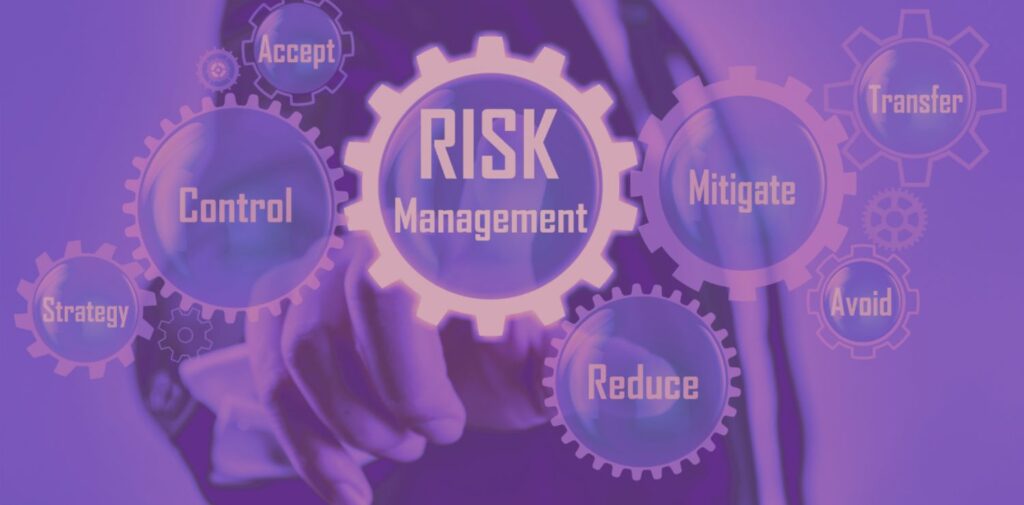
How to Identify Risks Early
The first step in managing risks is identifying them early. Entrepreneurs should spend time analyzing their business environment and operations to find what could go wrong. Talking to customers, suppliers, and industry experts can help spot risks before they become serious.
Using tools like SWOT analysis is helpful. By listing your startup’s Strengths, Weaknesses, Opportunities, and Threats, you can find areas where risks may hide. For example, a weakness in your technology or a threat from a strong competitor can be identified early.
In India’s fast-changing market, continuous monitoring of risks is necessary because new challenges can appear quickly.
Simple Risk Management Strategies for Startups
Once risks are identified, the next step is to manage them wisely. Here are some easy strategies Indian startups can use:
- Plan and Prepare: Create a clear business plan that includes possible risks and solutions. This helps you stay ready for challenges.
- Keep Finances Healthy: Manage your money carefully. Maintain enough cash flow to handle emergencies and unexpected expenses.
- Build a Strong Team: Hire people with diverse skills who can help solve problems and reduce risks.
- Use Technology: Automate processes where possible to reduce errors and increase efficiency.
- Legal Compliance: Stay updated with government laws and regulations to avoid fines or shutdowns.
- Diversify: Don’t rely on just one product, customer, or supplier. Spreading risk helps reduce the impact if one area faces problems.
These strategies help startups reduce the chances of failure and improve their chances of success.

Learning and Adapting Quickly
In India, the startup environment is very dynamic. Entrepreneurs must be ready to learn from mistakes and adapt quickly to new situations. Risk management is not a one-time task but an ongoing process.
Regularly review your business plans and risks. Use customer feedback, sales data, and market trends to adjust your strategies. Being flexible and open to change helps startups survive and grow.
Also, don’t hesitate to seek advice from mentors, industry experts, or government startup support programs. Their experience can guide you in handling risks better.
Conclusion
Risk management is essential for startups and entrepreneurs in India to build a strong foundation for their business. By understanding potential risks, identifying them early, and applying simple management strategies, startups can protect themselves from unexpected challenges.
Taking risks is part of entrepreneurship, but managing those risks wisely makes the difference between success and failure. Startups that plan carefully, stay flexible, and learn continuously are more likely to grow and thrive in India’s competitive market.
Remember, smart risk management is not about avoiding risks completely but about being prepared to face them with confidence. This approach will help Indian entrepreneurs build sustainable and successful businesses.
