

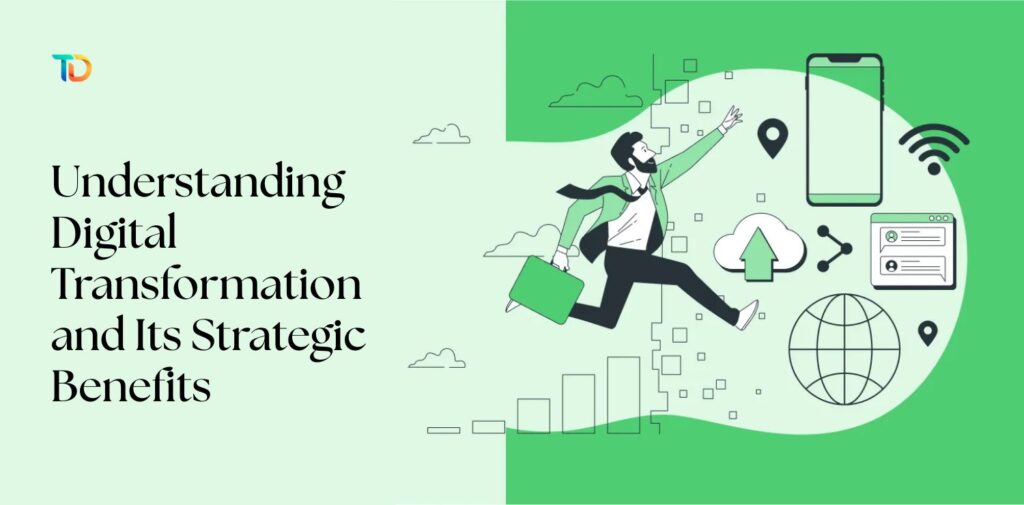
In today’s fast-changing world, digital transformation has become a key topic for businesses in India and around the globe. But what exactly is digital transformation, and why is it important for companies? Simply put, it means using digital technology to change how a business operates and delivers value to customers. It involves adopting new tools, processes, and ways of working to stay competitive and meet the needs of modern customers.
This article explains digital transformation in simple language and explores its strategic benefits for Indian businesses, helping readers understand why this change is essential for growth and success.
What is Digital Transformation?
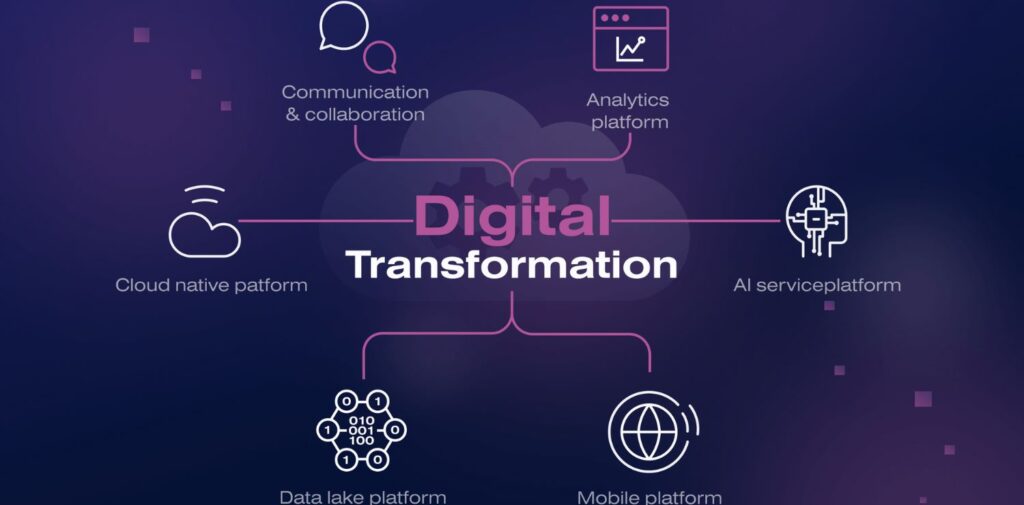
Digital transformation is more than just using computers or smartphones at work. It means completely changing business processes using digital technologies like cloud computing, artificial intelligence, mobile apps, and data analytics.
For example, a traditional shop can transform by creating an online store, using digital payment systems, and analyzing customer data to offer personalized deals.
In India, where technology adoption is growing rapidly, its helps businesses serve customers better and operate more efficiently. It is not just for big companies—small and medium businesses can also benefit by reaching more customers and reducing costs.
How Digital Transformation Improves Customer Experience
One of the biggest benefits of digital transformation is that it improves how businesses connect with and serve their customers. Today’s customers expect quick, easy, and personalized services, and digital tools make this possible.
For example, banks in India now offer mobile apps for instant money transfers, checking balances, or applying for loans without visiting a branch. E-commerce websites use AI to recommend products based on browsing history.
By adopting digital technologies, businesses can provide faster responses, better support, and customized offers that increase customer satisfaction and loyalty.
Increasing Efficiency and Reducing Costs
It’s can helps companies make their operations more efficient and reduce unnecessary costs. Automation of repetitive tasks using software saves time and reduces errors.
For example, inventory management using digital tools helps retailers avoid overstocking or running out of popular products. Cloud computing allows businesses to store data safely without investing in expensive servers.
In India’s competitive markets, saving time and money means companies can offer better prices and invest in innovation.
Supporting Data-Driven Decisions
It’s also helps businesses make smarter decisions by providing real-time access to data and insights. Using analytics tools, companies can understand market trends, customer preferences, and operational performance.
For example, an Indian manufacturer can track production efficiency and quality issues to improve processes and reduce waste. Digital marketing campaigns can be adjusted quickly based on customer responses.
This data-driven approach helps businesses plan better, respond faster to changes, and stay ahead of competitors.

Challenges and How to Overcome Them
While its offers many benefits, it also comes with challenges. Indian businesses may face issues like lack of skilled staff, resistance to change, or concerns about cost and security.
To overcome these challenges, companies should start with small projects, invest in training employees, and choose affordable technology solutions. Leadership support and clear communication about the benefits of digital transformation can reduce resistance.
Many government initiatives in India, like Digital India, also support businesses in adopting new technologies.
Conclusion
Digital transformation is a powerful way for Indian businesses to stay competitive, improve customer experience, increase efficiency, and make smarter decisions. By embracing digital technologies thoughtfully, companies can create new opportunities for growth and success.
Whether you run a small business or a large company, understanding and adopting it is essential in today’s fast-paced world. It is not just about technology—it is about changing the way your business works for a better future.
