

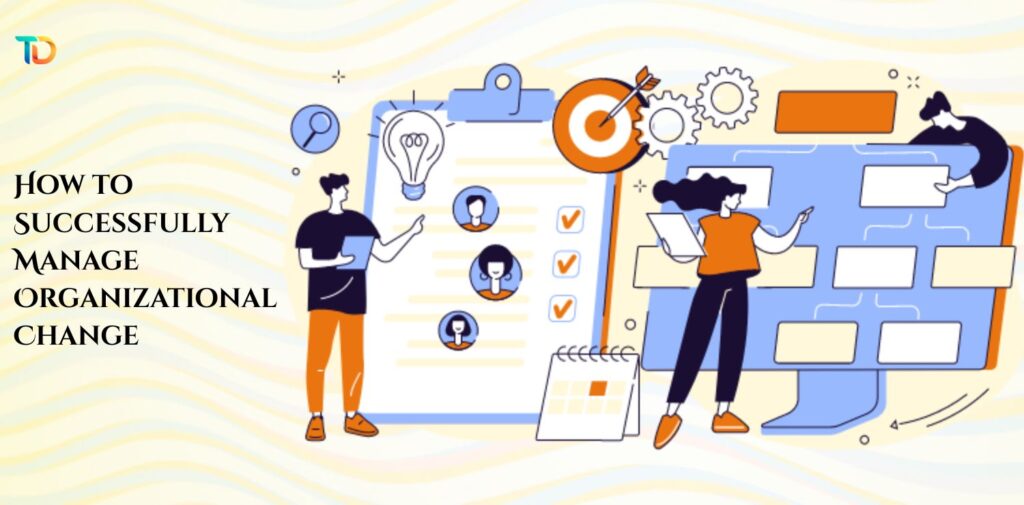
Understanding organizational change
In any organization, change is bound to happen. Whether it is due to new technology, new management, new strategies, or market conditions, change is a part of growth. But managing change is not always easy. It needs careful planning, good communication, and strong leadership. If change is not handled properly, it can cause confusion, fear, and resistance among employees.
In India, many businesses are going through transformation due to digitalization, competition, and global trends. This makes it important for business owners, managers, and employees to understand how to manage change in the right way.

Planning is the first step
Before making any changes in an organization, it is important to plan properly. Without a proper plan, things can go wrong and create chaos. The first step is to understand why the change is needed. Is it to improve performance, reduce costs, or introduce new products? Once the goal is clear, it becomes easier to plan.
Next, identify who will be affected by the change. It could be employees, customers, or suppliers. Try to think from their point of view and prepare a plan that will benefit everyone involved. Also, prepare a timeline and divide the change process into small steps. This helps in avoiding confusion and makes the change process smooth.
Communicate clearly and honestly
Many times, employees resist change because they don’t understand it. They fear losing their jobs or facing difficulties with new systems. To avoid this, leaders and managers must talk to employees openly. Share the reasons for change, the benefits it will bring, and how it will be implemented. Answer their questions and clear their doubts.
In Indian workplaces, communication often flows only from top to bottom. But in successful change management, communication should go both ways. Employees should be encouraged to give feedback and suggestions. When people feel heard, they are more likely to support the change.
Train and support your team
Change often requires new skills, knowledge, and behavior. For example, shifting from manual work to digital systems may be challenging for some employees. This is why training is a very important part of change management. Arrange simple and practical training sessions to help employees learn new tools and systems.
Also, offer support during the transition period. Some employees may learn quickly, while others may take time. Be patient and provide help whenever needed. You can also assign mentors or team leaders to guide others during the process. This creates a team spirit and builds confidence among employees.

Monitor progress and make improvements
Once the change is implemented, it is important to keep track of how things are going. Are the new systems working properly? Are employees comfortable with the changes? Are the business goals being met? Regularly checking progress helps in finding problems early and solving them quickly.
Take feedback from all levels – from ground staff to managers. If something is not working well, don’t hesitate to make improvements. Change management is not a one-time event, it is a continuous process. Be open to learning and improving throughout the journey.
Conclusion: Change can be a new beginning
Change may seem difficult at first, but if managed well, it can take your organization to new heights. It brings growth, innovation, and better ways of working. In India, where many businesses are growing and adapting to the modern world, managing change effectively is a key skill.
With proper planning, honest communication, good training, and regular monitoring, any organization can handle change successfully. Remember, people are the heart of any organization. If they are supported and guided properly, no change is too difficult.
So, if your organization is going through change or planning for it, use these simple steps to make the journey smoother and more successful.
