
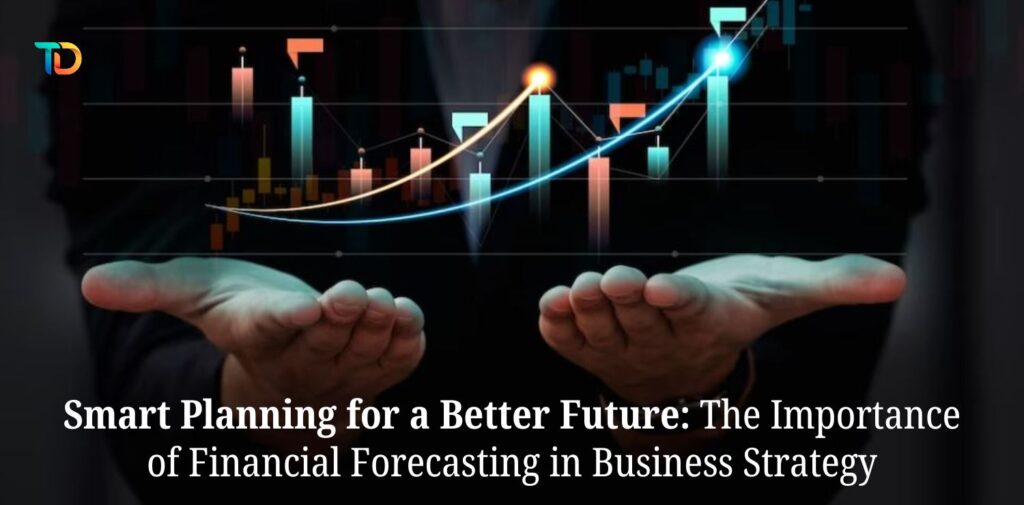
Running a business without planning is like driving a car with closed eyes. One of the most important parts of planning is financial forecasting. In simple words, financial forecasting means estimating future income, expenses, and profits based on past and present data. It helps a business understand where it is going financially and how to prepare for future challenges and opportunities.
In India, where small and medium businesses form the backbone of the economy, financial forecasting plays a key role in business success. Whether it’s a shop owner in a small town or a startup in a metro city, understanding future cash flow and financial needs is important for every businessperson.
Helps in better decision-making
Financial forecasting gives a clear picture of how much money the business is likely to make or spend in the coming months or years. This helps business owners make smarter decisions. For example, if a company knows that its sales will grow during the festival season, it can plan to increase stock and staff in advance. On the other hand, if a business expects a low-income period, it can control expenses and avoid unnecessary purchases.
Good forecasting helps avoid sudden financial shocks. It prepares business owners to manage loans, pay salaries on time, and even invest in growth when the time is right. It also helps in setting realistic goals and measuring whether the business is moving in the right direction.
Supports funding and investor confidence
When a business needs a loan or wants to raise funds from investors, financial forecasting becomes very important. Banks and investors always ask for future financial projections before giving money. A proper forecast shows that the business is well-managed and has a clear plan for growth.
For Indian startups and growing businesses, a solid financial forecast increases the chances of attracting investment. It shows that the entrepreneur has thought deeply about market trends, expenses, profits, and business risks. This builds trust and gives confidence to the investor or lender.
Helps manage risks and uncertainties
No business is free from risk. There can be changes in customer demand, new government policies, rise in raw material costs, or even sudden events like the COVID-19 pandemic. Financial forecasting helps prepare for such uncertain times.
By making different scenarios – like best case, average case, and worst case – business owners can plan how to react in each situation. This process, called scenario planning, helps in reducing losses and keeping the business stable during tough times.
In the Indian business environment, where things like changing GST rules or fluctuating fuel prices affect everyday business, forecasting can help in being ready for such surprises.

Helps in long-term growth planning
Every business wants to grow. But growth needs money, planning, and time. Financial forecasting helps in planning for new branches, hiring new staff, purchasing machines, or entering new markets. It tells how much money will be needed, where it will come from, and how much return it can bring.
For example, if a Kirana store owner in a tier-2 city wants to expand into a supermarket, a proper financial forecast will show whether the idea is financially possible or not. It will also help decide the right time to expand and how much profit can be expected.
Even large Indian companies use forecasting to plan for international expansion, product launches, or big marketing campaigns. It is a tool that guides business growth in the right direction.
Conclusion
Financial forecasting is not just for big companies or finance experts. It is a valuable tool for every business, big or small. In India’s fast-changing and competitive business world, forecasting helps in taking smart decisions, reducing risks, winning investor trust, and planning for steady growth.
Business owners who take forecasting seriously are better prepared for the future and more likely to succeed. So, whether you are running a local business or a growing startup, start using financial forecasting as part of your business strategy and see the difference it makes.