


Business analysis is the process of identifying business needs, problems, and opportunities, and finding solutions to improve overall performance. Business analysts use various techniques to collect data, analyze situations, and create strategies that align with an organization’s goals. In India, where businesses are constantly evolving in a competitive and fast-paced environment, choosing the right business analysis technique at the right time is crucial for success. This article explores some common business analysis techniques and how to use them effectively.
SWOT Analysis: Understanding Strengths and Weaknesses
SWOT analysis is one of the most widely used business analysis techniques. It helps businesses identify their internal strengths and weaknesses, as well as the external opportunities and threats they face. The technique involves creating a simple table with four quadrants: Strengths, Weaknesses, Opportunities, and Threats.
This technique is useful when a business needs to understand its position in the market or when planning to enter a new market or launch a new product. For example, in India, a local retail company may use SWOT analysis to evaluate how it can compete against multinational brands. It helps the company identify its unique strengths, such as a strong local customer base or cost-effective supply chain, while also recognizing weaknesses, such as limited brand awareness outside its region.
SWOT analysis is best used at the beginning of a project or when revisiting a company’s overall strategy. It provides a clear, simple framework for understanding internal and external factors and setting the stage for developing future strategies.
PESTLE Analysis: Understanding External Influences
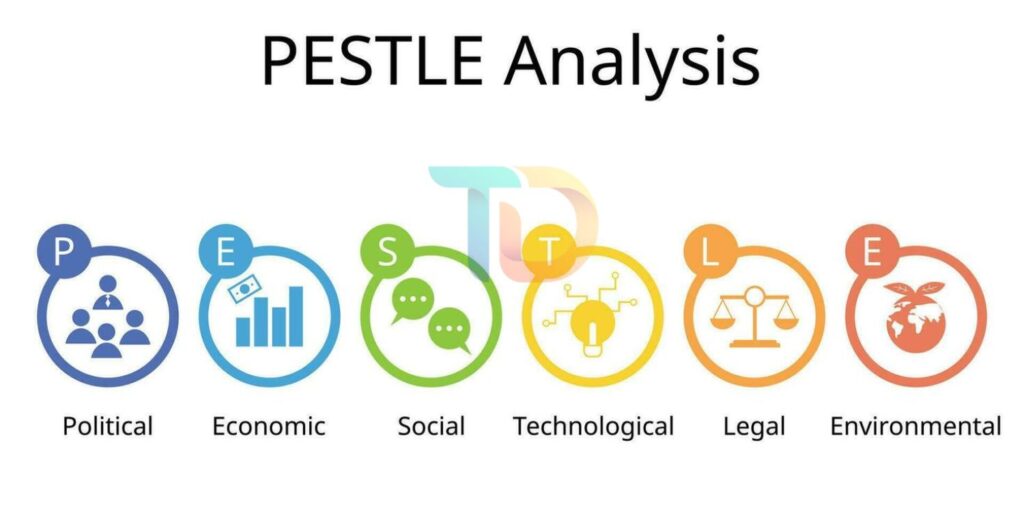
PESTLE analysis (also known as PESTEL or PEST) is another powerful business analysis technique. This tool helps businesses understand the external macro-environmental factors that can impact their success. The acronym PESTLE stands for Political, Economic, Social, Technological, Legal, and Environmental factors.
In India, where businesses operate in a dynamic and diverse market, PESTLE analysis helps companies understand the broader environment in which they are working. For example, a technology company planning to launch a new product might use PESTLE analysis to evaluate the regulatory environment (Legal), economic conditions (Economic), and technological advancements (Technological) in the country.
PESTLE analysis is best used when a company is considering a long-term strategy or expanding into a new region or market. It helps businesses anticipate changes in the external environment and stay proactive rather than reactive. By considering political stability, economic growth, or technological advancements, companies can better position themselves for success.
Root Cause Analysis: Solving Problems Effectively
Root cause analysis is a technique used to identify the underlying causes of problems or challenges that a business is facing. It helps businesses move beyond the symptoms of a problem and find the true cause. One popular method of root cause analysis is the “5 Whys,” where you repeatedly ask “Why?” to dig deeper into the issue.
In India, businesses in industries like manufacturing or customer service often use root cause analysis to address issues such as poor quality, delays in production, or low customer satisfaction. For example, if a factory is experiencing delays in production, the root cause analysis might uncover that the delay is due to outdated machinery rather than simple employee inefficiency.
This technique is useful when a company faces specific problems that need to be solved in a systematic way. It can be used after a problem has been identified and needs to be understood in-depth to prevent recurrence. By addressing the root cause, businesses can implement more effective and long-lasting solutions.

Use Case Analysis: Focusing on Specific Scenarios
Use case analysis is a technique used to define how a system or product will interact with users. It is commonly used in IT and software development but can also be applied to other industries. The technique involves defining various scenarios in which users interact with a system or process, and identifying how the system will respond to meet their needs.
In India, a software company may use use case analysis when developing a new application or digital platform. For example, if the company is building an e-commerce app, the use case analysis will define how a customer would navigate the app, from browsing products to making a purchase. This helps ensure that the product or system meets the needs of its users.
Use case analysis is ideal when developing new products, systems, or digital solutions. It helps ensure that the end product or service is user-friendly and meets customer expectations. By mapping out specific scenarios, businesses can avoid potential design flaws and deliver a better user experience.
Conclusion
In conclusion, choosing the right business analysis technique at the right time is essential for making informed decisions and driving business success. Techniques such as SWOT analysis, PESTLE analysis, root cause analysis, and use case analysis offer businesses valuable insights into their strengths, weaknesses, external environment, and customer needs. In India, where businesses face unique challenges and opportunities, these techniques can help organizations adapt to change, solve problems, and create effective strategies. By understanding and applying these techniques, business analysts can provide valuable guidance to help companies stay competitive, grow, and succeed in a dynamic market.
